Just How Hplc Is Utilized To Inspect Peptide Pureness
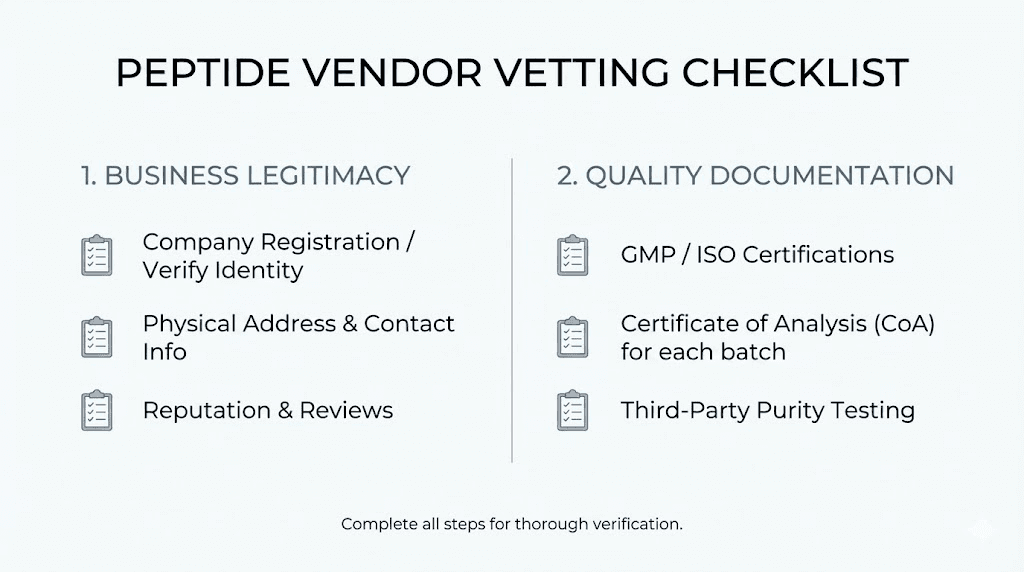
Just How Are Peptides Tested? Hplc, Coa & Pureness Clarified 2026 Lab recognition of peptides is not just a scientific ideal method-- it's often a regulatory need when peptides are used in healing advancement or medical research. FDA and the European EMA have actually developed standards mandating complete analysis and quality assurance for peptide items to make sure security and effectivenessr. In the context of pharmaceutical or clinical-grade peptides, laboratory recognition is important to meeting these standards. For example, before a peptide drug can go into human trials, its maker needs to demonstrate the identity, pureness, strength, and security of the peptide with verified logical approaches.
What is considered high purity?
Gases that have extremely reduced levels of pollutants are high-purity gases. They are refined to be made up virtually entirely of the desired gas particles. The degree of purity of these gases is commonly above 99.995% and can surpass 99.99999%. These gases are graded based on the variety of 9s in the purity degree.
Liquid Chromatography Options
Column, conditions of preparative RP-HPLC and fraction evaluation, and peptide sequence described under Subheading3.6.1. Analytical reversed-phase high-performance liquid chromatography profile of unrefined artificial 26-residue amphipathic -helical antimicrobial peptide. A, On-scale elution profile; B, fourfold development of elution account. Size-exclusion chromatography evaluation of oligomerization states of peptides. A, B, elution profiles of peptides; C, connection between Log molecular weight of eluted types and their retention times.Peptide Purity Screening And Certifications Of Evaluation
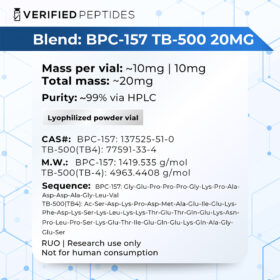
Every peptide we provide-- whether it's a lyophilized powder or a dental tablet computer-- comes from pharmaceutical-grade resources with precise application, clear labeling, and third-party screening. We're talking 23+ items varying from $150 to $700, every one backed by medical research and clear component checklists. As the research peptide industry continues to grow, comprehending just how peptide purity testing functions can aid researchers make more educated sourcing decisions and far better review supplier openness. When reviewing peptide top quality, lots of people concentrate on pureness (HPLC) and identity (mass spec). Those confirm you have the right molecule and that it's fairly clean from peptide-related byproducts. A peptide missing one amino acid may show up 99% pure on HPLC, however would certainly be 0% the preferred peptide.- The examination measures what percentage of the example is the actual peptide versus impurities.
- While greater pureness portions are commonly preferred, pureness must not be reviewed in isolation.
- When the exact same firm both produces peptides and checks them, motivations exist to present beneficial outcomes also when worldly high quality falls short.
- Research-grade peptides typically reveal a dominant optimal standing for 99% or even more of the complete area, with minimal contamination optimals.
- Unlike prescription drugs, most peptides aren't highly managed.